
🚚 “Free Delivery Corporate & Community Bundles Across Vancouver”
The Best Office Snacks to Keep Employees Energized All Day

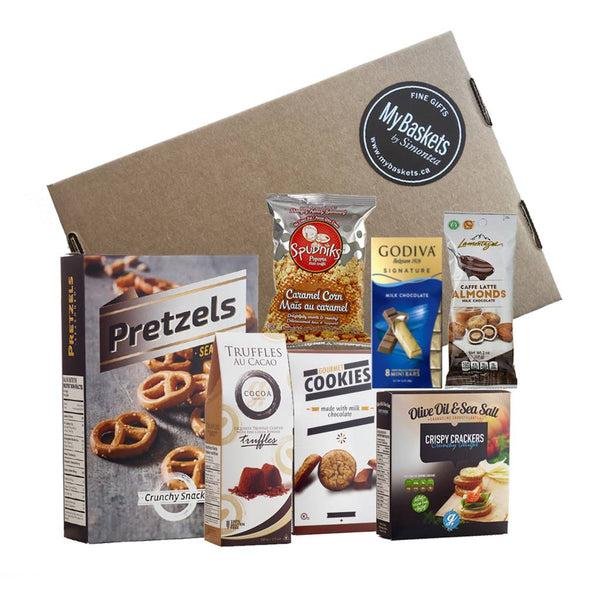
A productive workplace starts with energized employees. While coffee remains a staple in many offices, nutritious snacks are equally important for maintaining focus, improving morale, and supporting overall well-being.
Whether you’re running a small office or managing a growing company in Vancouver, providing quality snacks is a simple way to invest in your team. Well-stocked snack stations encourage healthier eating habits, reduce afternoon energy slumps, and create a more welcoming work environment.
In this guide, we’ll explore why office snacks matter, which options employees enjoy most, and how a reliable snack delivery service can simplify workplace refreshments.
Why Office Snacks Matter
Providing snacks is more than just a workplace perk—it can contribute to a better employee experience.
Benefits include:
- Sustained energy throughout the day
- Increased productivity
- Improved employee satisfaction
- Better collaboration during meetings
- Reduced time spent leaving the office for food
- Support for workplace wellness initiatives
Employees appreciate having convenient snack options available, especially during busy workdays.
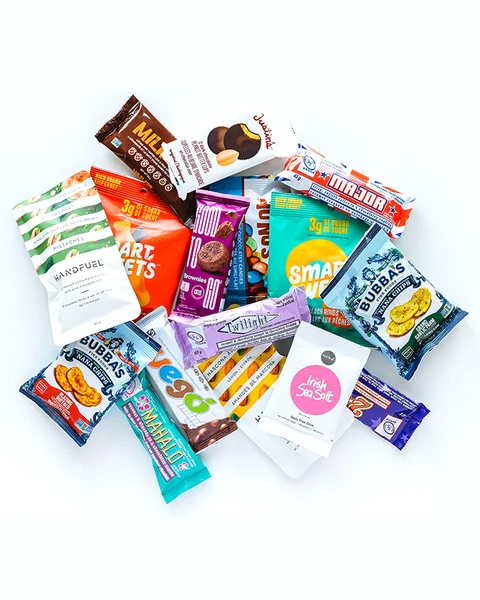
Characteristics of Great Office Snacks
The best office snacks are:
- Easy to grab and enjoy
- Individually packaged for convenience
- Fresh and high quality
- Suitable for a variety of dietary preferences
- Easy to store
- Low in mess
Offering a mix of healthy and indulgent options helps satisfy different tastes.
Healthy Snack Options
Healthy snacks are increasingly popular in modern workplaces.
Examples include:
Mixed Nuts
Rich in protein and healthy fats, nuts help keep employees full and energized.
Granola Bars
A convenient choice for quick energy between meetings.
Trail Mix
Provides a combination of protein, fiber, and natural sweetness.
Dried Fruit
A portable snack that satisfies sweet cravings without added sugars.
Whole Grain Crackers
Pair well with cheese or nut butter for a balanced snack.
Protein Snacks
High-protein options help maintain energy and reduce hunger throughout the day.
Popular Sweet Treats
Employees also appreciate occasional treats.
Popular choices include:
- Chocolate bars
- Cookies
- Gummies
- Popcorn
- Pretzels
- Wafer snacks
A balanced snack station includes both nutritious options and favorite indulgences.
Don’t Forget Beverages
A complete office pantry goes beyond snacks.
Popular beverage options include:
- Bottled water
- Sparkling water
- Juice
- Coffee
- Tea
- Sports drinks
- Energy drinks
Providing a variety of drinks helps employees stay hydrated and refreshed.
How Often Should You Restock?
The ideal schedule depends on your office size.
Typical delivery frequencies include:
- Weekly
- Bi-weekly
- Monthly
Regular deliveries ensure popular items remain available without overstocking.
Choosing the Right Snack Supplier
When selecting a supplier, look for:
- Reliable delivery
- Wide product selection
- Flexible ordering
- Local service
- Transparent pricing
- Excellent customer support
Working with a local supplier can provide faster delivery and more personalized service.
Why Vancouver Businesses Choose TrueNorthBC
At TrueNorthBC, we make workplace snack programs simple.
We offer:
- Premium snack selections
- Popular beverages
- Healthy options
- Corporate gift boxes
- Flexible delivery schedules
- Service tailored to businesses across Metro Vancouver
Our goal is to help companies create workplaces where employees feel appreciated and energized.
Frequently Asked Questions
What are the best snacks for an office?
A mix of healthy snacks, protein options, sweet treats, and beverages provides variety for different preferences.
How often should an office order snacks?
Many businesses choose weekly or bi-weekly deliveries, depending on team size and consumption.
Are healthy snacks more expensive?
Not necessarily. Many nutritious options are affordable and provide excellent value when purchased as part of a workplace snack program.
Can snacks improve employee morale?
Providing quality snacks demonstrates appreciation and can contribute to a more positive workplace culture.
Final Thoughts
Providing office snacks is a simple yet effective way to support your employees, encourage productivity, and create a welcoming workplace.
Whether you’re looking to introduce healthy snack choices, stock your office pantry, or simplify workplace refreshment management, choosing the right supplier makes all the difference.
At TrueNorthBC, we’re proud to help Vancouver businesses keep their teams fueled with quality snacks and beverages delivered on a schedule that works for them.